
When setting up a dental milling machine, one often overlooked but essential piece of equipment is the air compressor. A stable, clean, and dry air supply is crucial to ensure smooth milling performance, protect the spindle, and maintain the accuracy of your restorations.
This guide will help dental lab owners and distributors understand how to choose a suitable air compressor for dental milling machines.
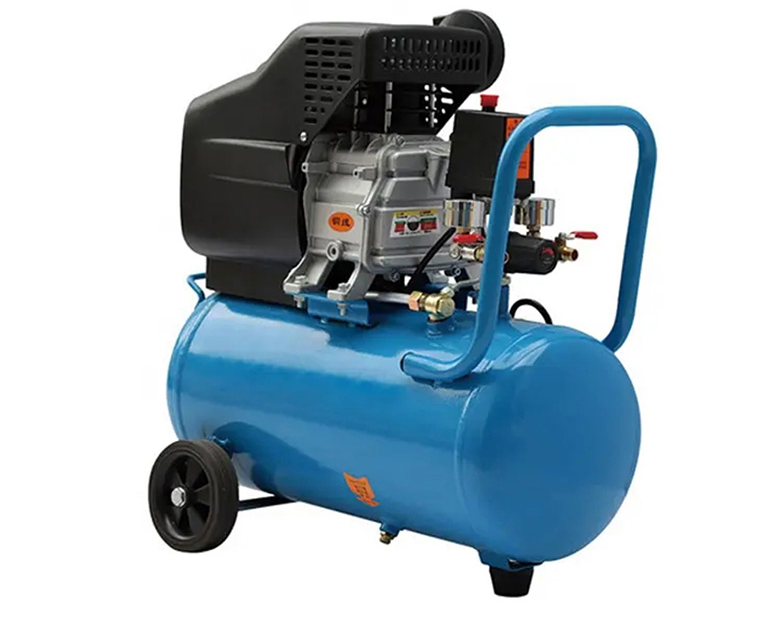
Dental milling machines use compressed air for multiple purposes:
Cooling the cutting tools during milling
Blowing away zirconia or PMMA dust
Operating pneumatic components inside the machine
If the air pressure is unstable or contains moisture and oil, it may lead to:
Reduced cutting precision
Tool wear and breakage
Contamination of milled restorations
Shortened service life of the machine’s pneumatic system
That’s why a clean, oil-free, and stable air compressor is essential.
Always choose an oil-free air compressor for dental use.
Oil-based compressors can release micro oil particles into the air line, which may contaminate restorations and damage the milling spindle.
Check the technical requirements of your milling machine.
Most dental milling machines operate within:
Pressure range: 0.6 – 0.8 MPa (≈ 6 – 8 Bar or 87 – 116 PSI)
Always ensure your compressor provides a little higher output than the minimum requirement to maintain stable operation.
This indicates how much air the compressor can deliver.
For a single dental milling machine:
Recommended capacity: 120 – 200 L/min
If multiple machines share one compressor, increase the capacity proportionally.
Moisture is harmful to precision parts. Choose a compressor that includes:
Air dryer (refrigeration or adsorption type)
Water separator & filter
This ensures the air entering your milling system is completely dry and clean.
Dental labs often prefer quiet compressors.
Select a model below 60–65 dB for comfortable working conditions.
A typical dental lab setup includes:
Oil-free silent air compressor
Air dryer and filter system
Pressure regulator and gauge
Drain valve to remove condensed water regularly
Ensure the air hose is securely connected and the pressure gauge reading matches the milling machine’s requirement before operation.
To keep your air system running efficiently:
Drain moisture daily (or use automatic drain)
Replace filters every 3–6 months
Check pressure and air flow regularly
Keep the compressor in a clean, ventilated area
Proper maintenance ensures consistent air quality and prolongs both compressor and milling machine lifespan.
| Feature | Recommendation |
|---|---|
| Type | Oil-free, silent air compressor |
| Air Pressure | 0.6–0.8 MPa |
| Air Flow | 120–200 L/min |
| Air Quality | Dry, clean, oil-free |
| Noise Level | ≤65 dB |
| Accessories | Dryer, filter, regulator |
At HONCHON, our dental milling machines are compatible with most standard oil-free compressors.
For best performance, we recommend pairing your machine with a high-quality, dry air compressor that meets the specifications above.
If you need help selecting a suitable model, our technical team can provide guidance and recommend reliable local suppliers.


